






FAQs
Q1: What's the difference between a ceramic disc valve and a regular valve — and why does it matter?
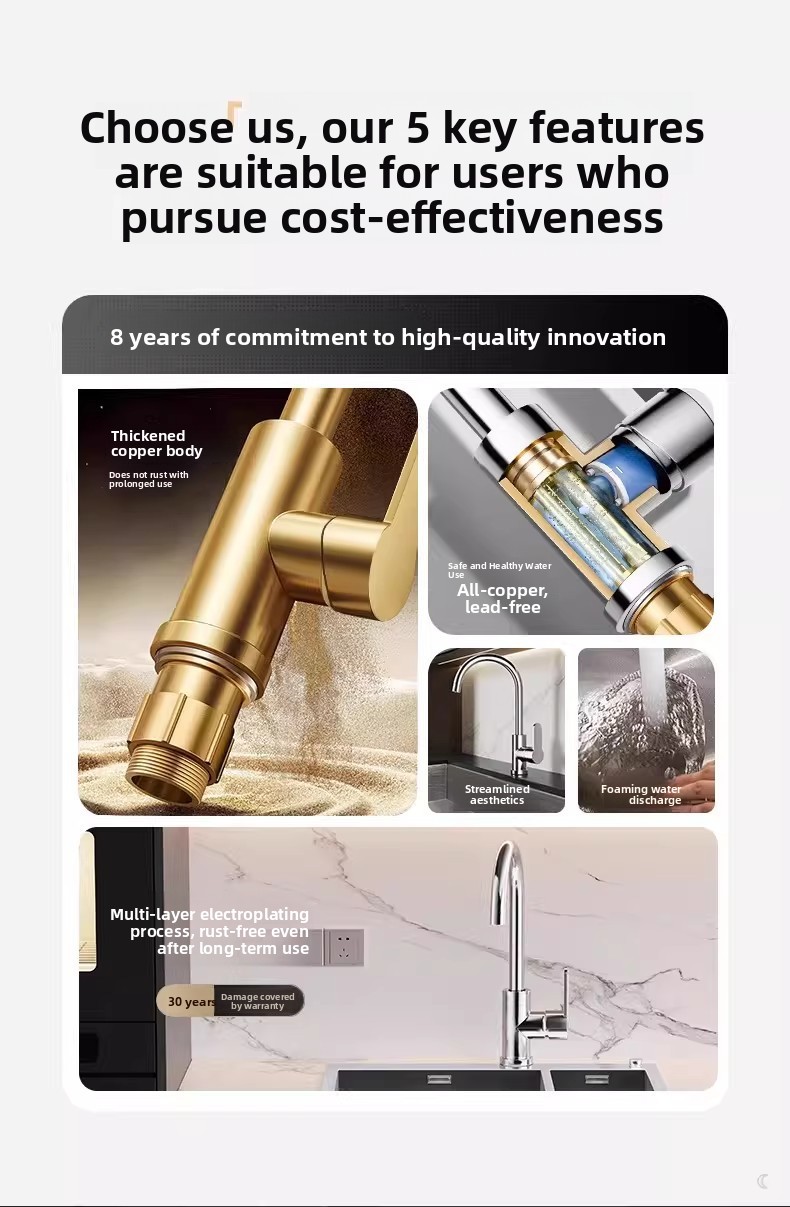
A ceramic disc valve uses two hardened ceramic plates that slide against each other to control water flow, instead of the rubber washers found in cheaper taps. Rubber wears down over time — that's where drips come from. Ceramic doesn't. A ceramic disc valve core means your tap can go years without developing a leak, even with daily hot and cold cycling. It's the single biggest factor in how long your faucet lasts, and it's why this tap is built around one.
Q2: Can I install this faucet myself, or do I need a plumber?
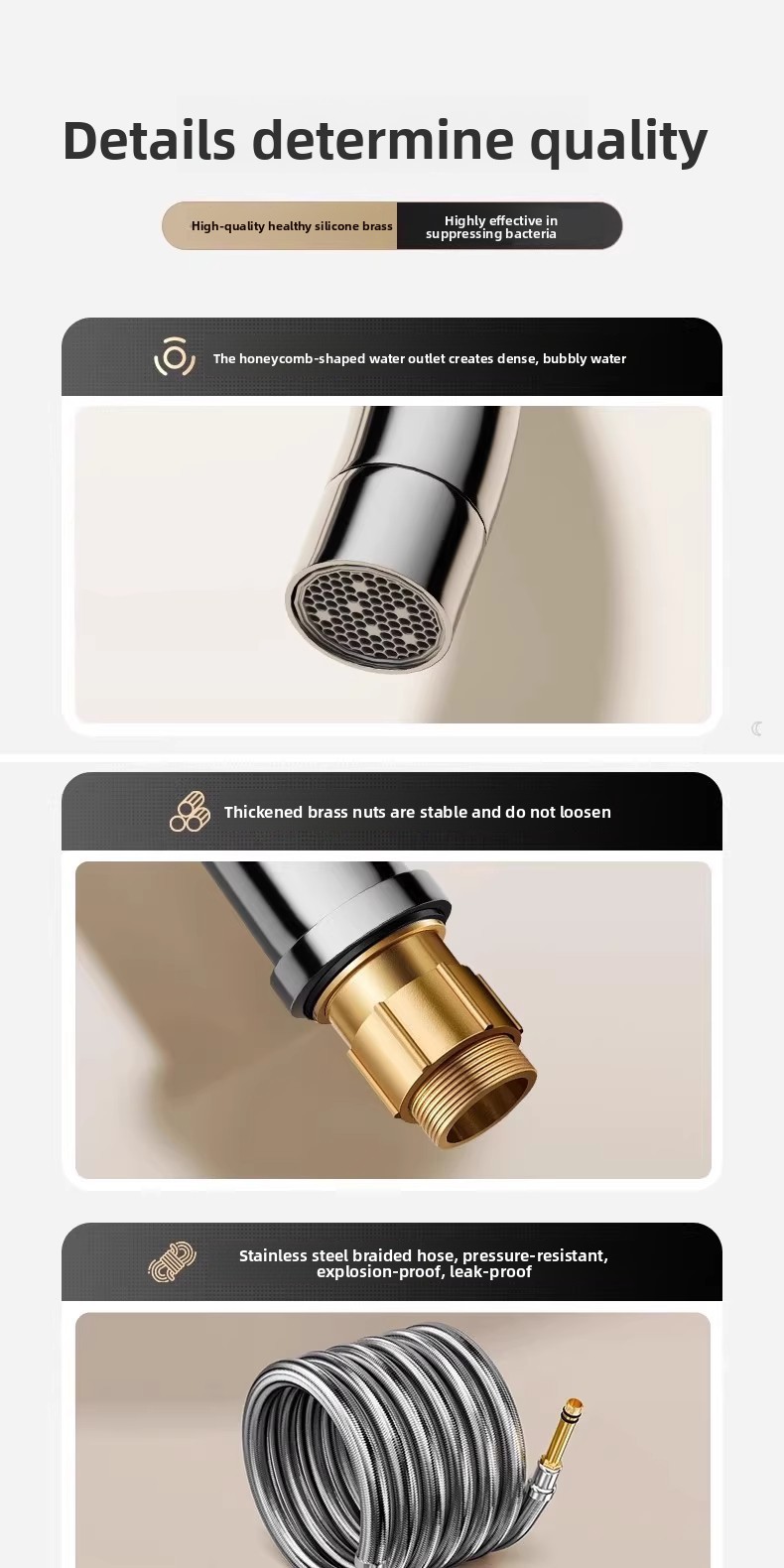
If you're comfortable with basic DIY, installation is straightforward. The faucet is countertop-mounted with a standard setup, and the 80cm water inlet pipe is included in the box so you don't need to buy anything separately. You'll need a wrench and some basic plumbing tape for the connections. If you've never installed a tap before or your existing setup has non-standard pipework, we'd recommend calling a plumber — but for most standard kitchen and laundry sink installations, it's a manageable DIY job.
Q3: Which spout style should I choose — and does the style affect performance?
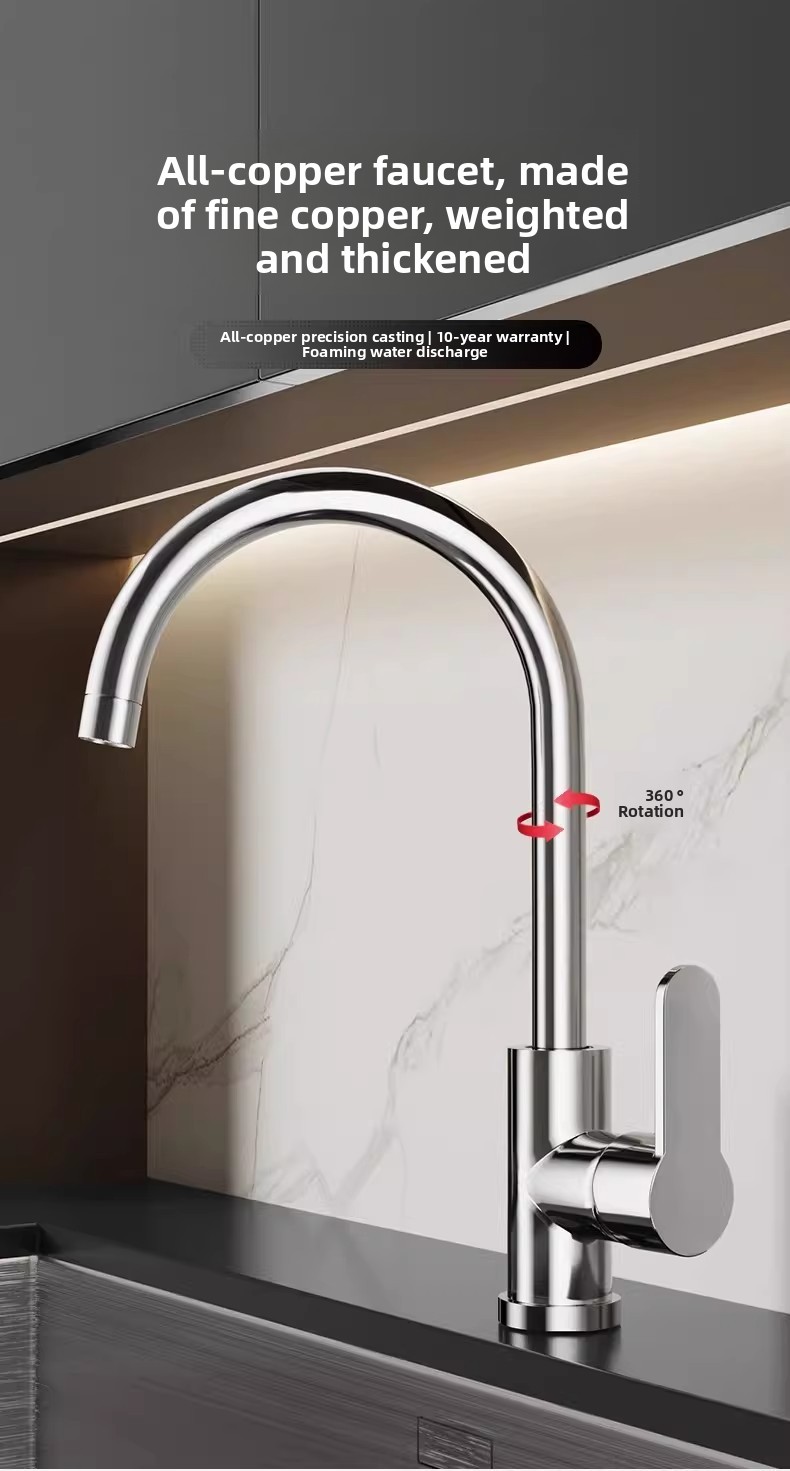
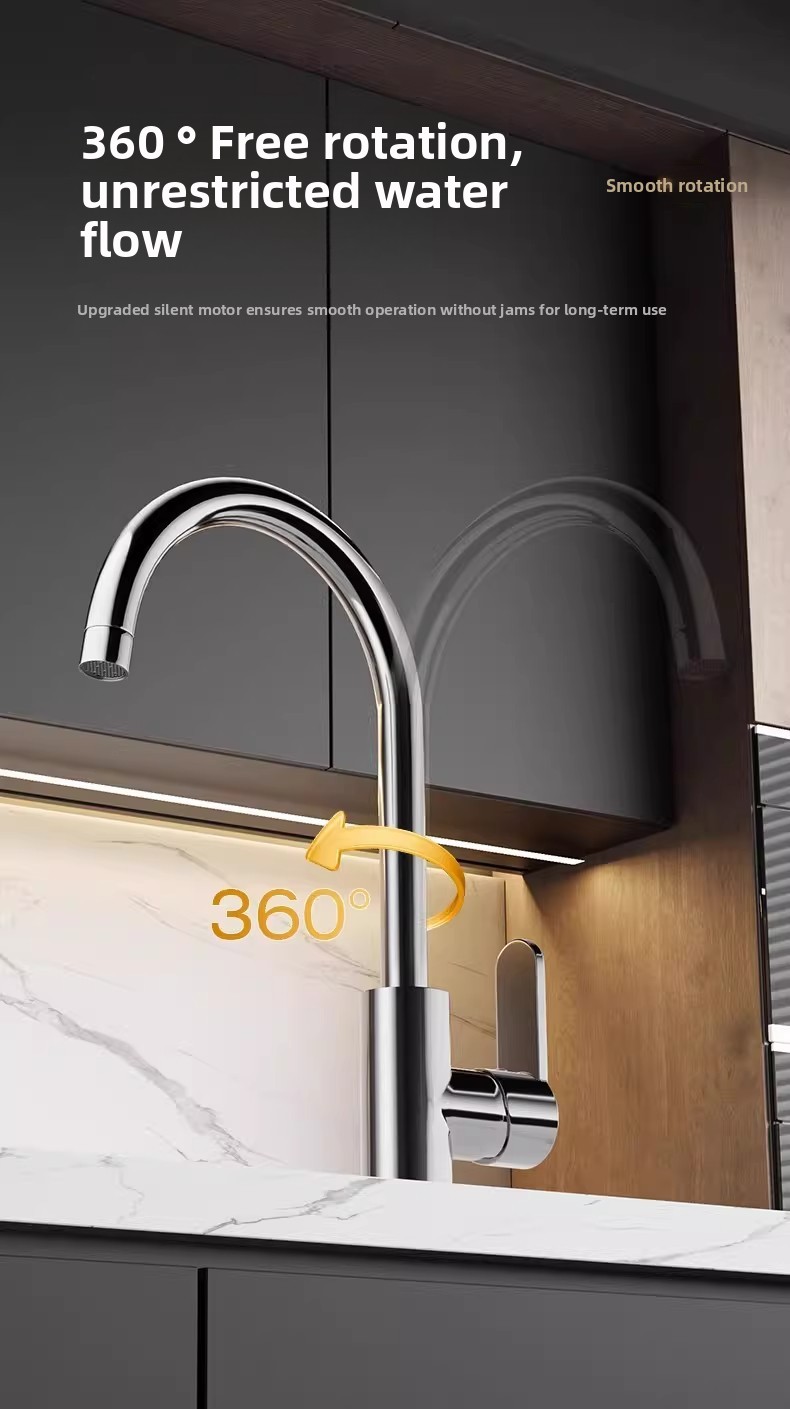
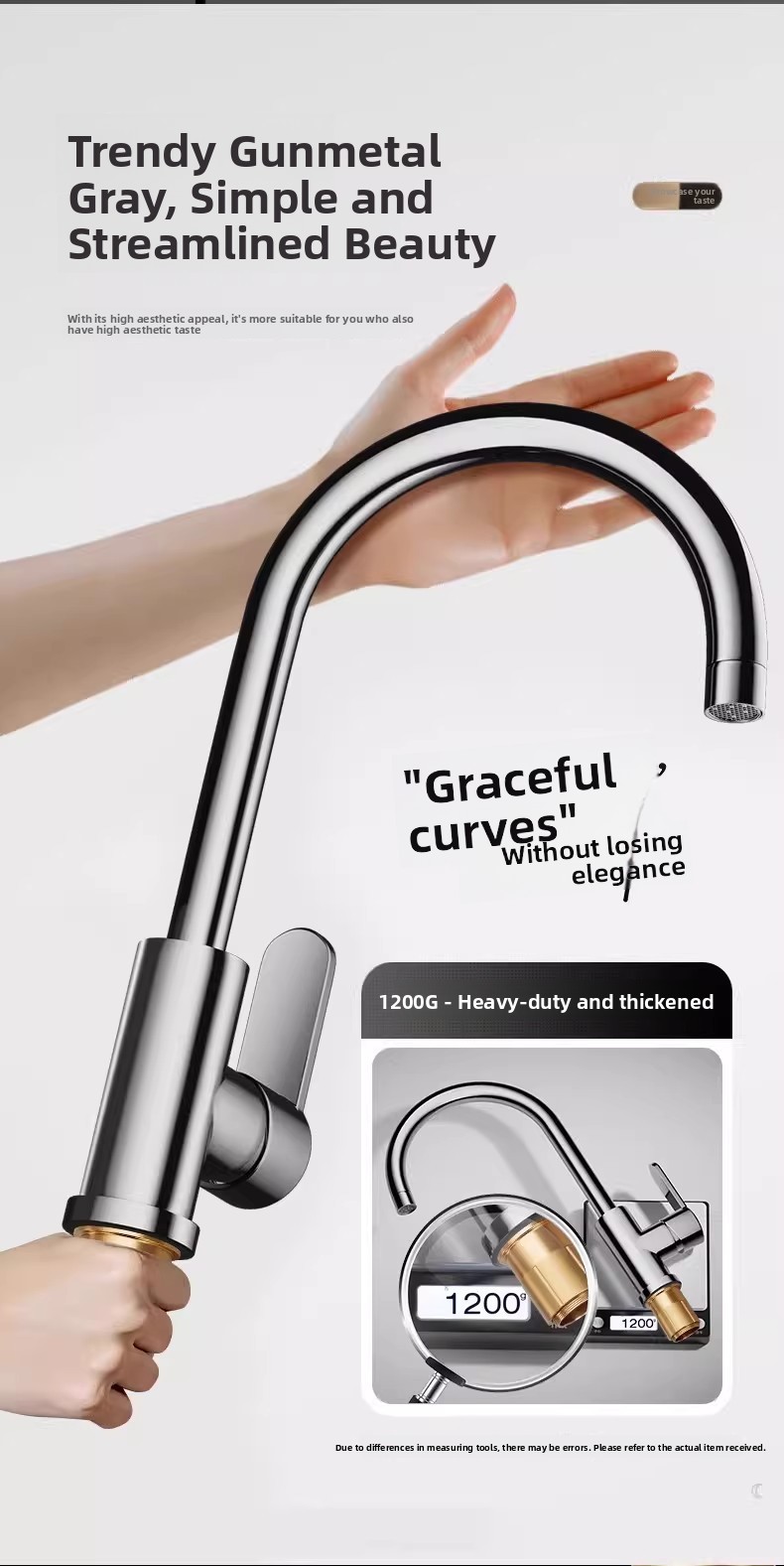
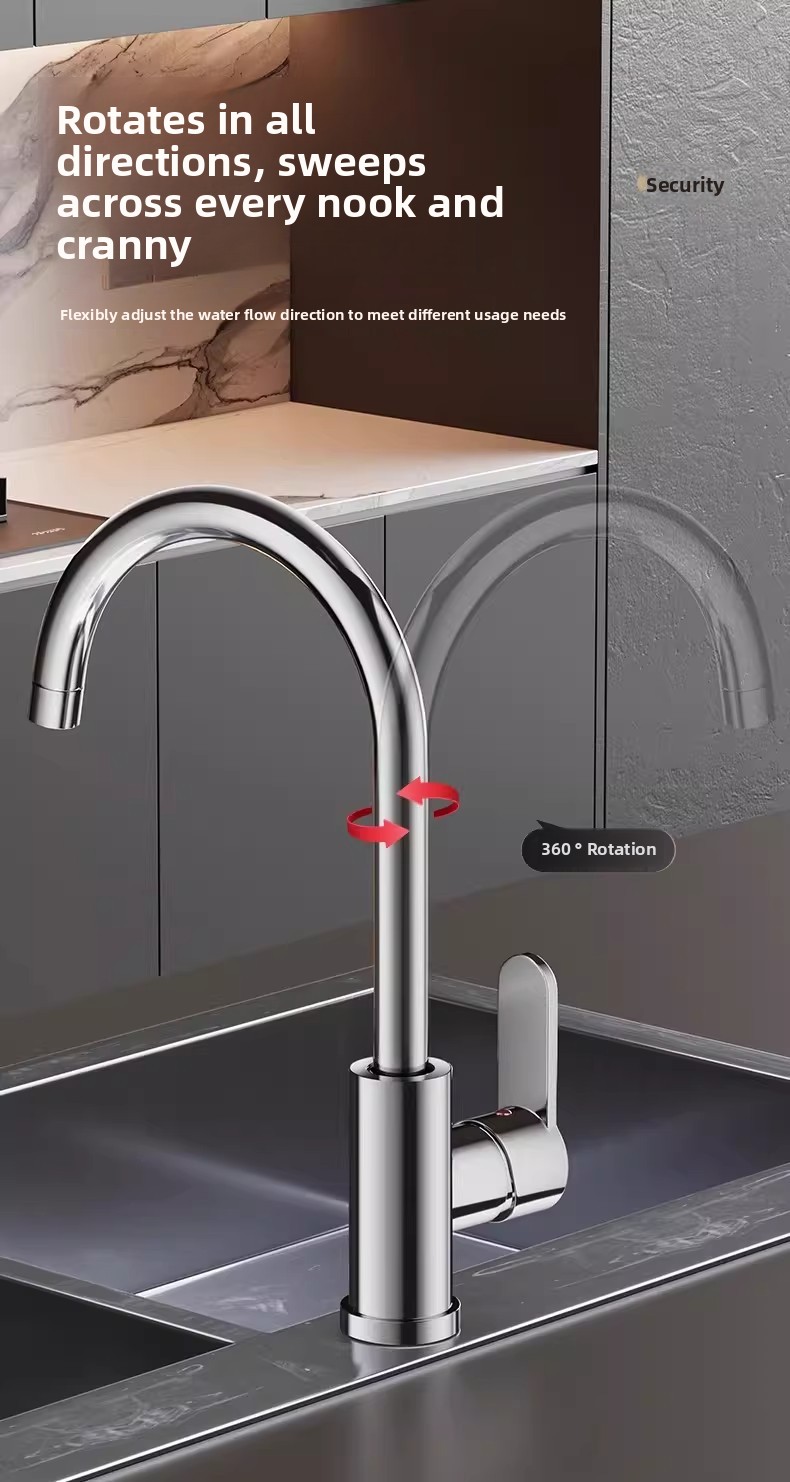
All four spout styles — large curve, seven-character, round, and square — perform identically in terms of water flow, temperature control, and splash resistance. The choice is purely about what suits your space and taste. The large curve gives the most reach, which is ideal if you wash large pots or have a wide sink. The seven-character shape is compact and great for laundry rooms. Round and square are clean, modern profiles that work well in contemporary kitchens. If you're unsure, the large curve is the most versatile option for everyday kitchen use.